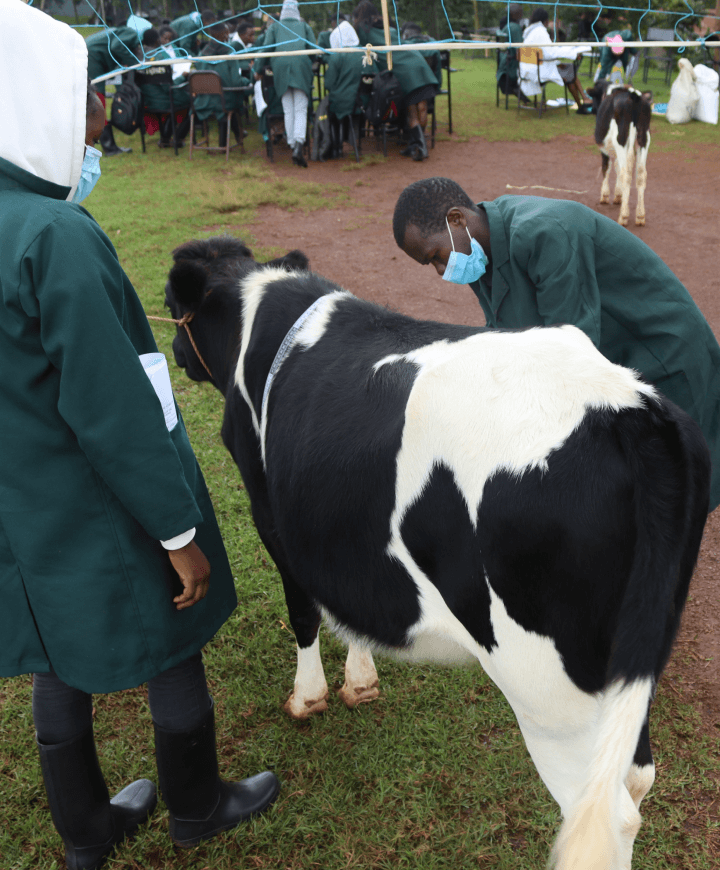
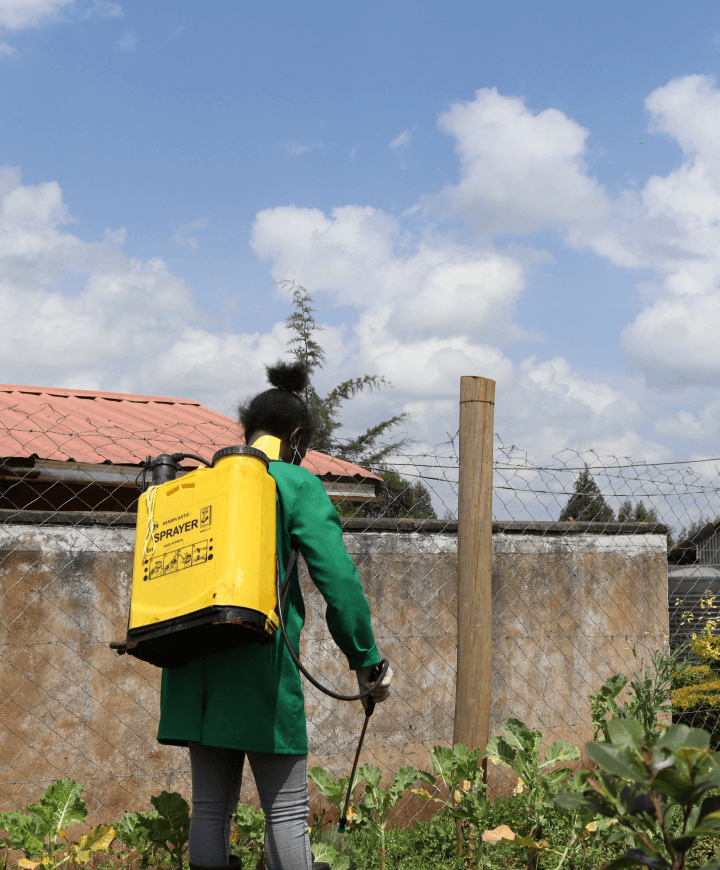
The mode of delivery for both Level 6 and 5 programmes includes:
- Structured coursework for theoretical understanding.
- Project work to build problem-solving and innovation capacity.
- Industrial attachments to provide real-world exposure and industry experience.
This blend equips learners with knowledge, skills, attitudes, and confidence to work competitively in organizations or through self-employment. Level 6 courses are divided into three modules (I, II, III) while Level 5 (craft) courses are divided into two (I, II). Level 5 graduates can join a related Level 6 programme at Module II, ensuring progression opportunities. Level 6 graduates are prepared for supervisory roles, while level 5 graduates gain basic supervisory skills to coordinate artisans at operational level.